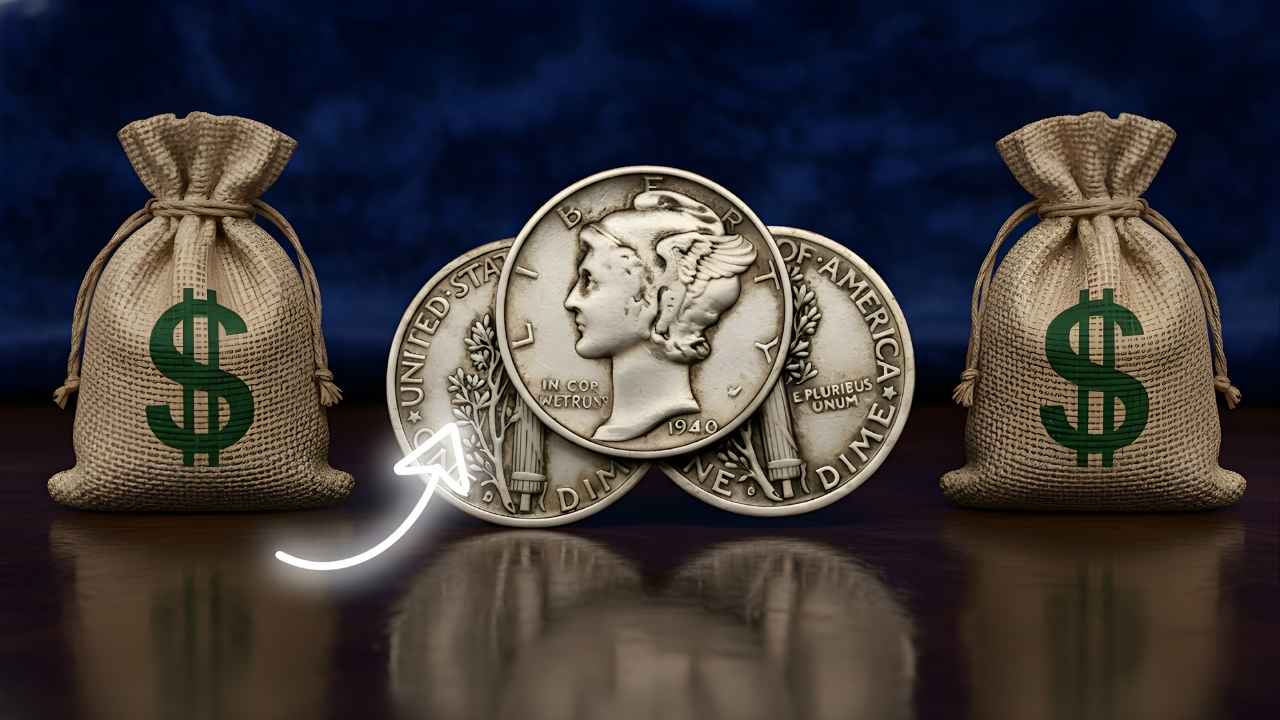
1940 Lincoln Penny & Mercury Dime: Coins are more than just currency. They are miniature pieces of history that reflect the times in which they were minted. The 1940 Lincoln penny and Mercury dime are two coins that collectors often associate with the era leading up to World War II. While not all examples are rare, certain varieties and conditions make them highly desirable. These coins carry stories of America’s resilience, artistry, and economic challenges during a pivotal moment in history. This guide explores the background, rarity, and collector value of these treasures.
The 1940 Lincoln Penny
The Lincoln penny, first introduced in 1909, was already a familiar coin by 1940. Designed by Victor David Brenner, it features Abraham Lincoln’s portrait on the obverse and wheat stalks on the reverse. The 1940 issue was struck in large numbers at the Philadelphia, Denver, and San Francisco Mints.
While most 1940 pennies are common, certain varieties and conditions stand out. Proof coins from Philadelphia are particularly prized, as fewer than 15,000 were produced. High-grade examples with sharp details and original luster can command significant premiums. Collectors also look for doubled die varieties, where the date or lettering appears doubled due to a minting error. These rare errors can elevate the value of an otherwise ordinary coin.
Historical Context of the 1940 Penny
The year 1940 was marked by global tension as World War II unfolded in Europe. Although the United States had not yet entered the war, the economy and society were deeply influenced by the looming conflict. Coins from this era reflect a nation preparing for change.
The Lincoln penny remained a symbol of stability, circulating widely across the country. For collectors today, owning a 1940 penny is like holding a piece of pre-war America, a reminder of the challenges and uncertainties of that time.
The 1940 Mercury Dime
The Mercury dime, officially known as the Winged Liberty Head dime, was designed by Adolph A. Weinman and introduced in 1916. Its obverse features Liberty wearing a winged cap, symbolizing freedom of thought, while the reverse shows a fasces and olive branch, representing strength and peace.
The 1940 Mercury dime was struck at the Philadelphia, Denver, and San Francisco Mints. With millions produced, most examples are common. However, high-grade coins, proofs, and certain varieties are highly collectible. Proof dimes from 1940 are especially valuable, with fewer than 11,000 minted. Their sharp details and mirror-like surfaces make them prized additions to collections.
Historical Context of the 1940 Dime
By 1940, the Mercury dime had become a beloved coin, admired for its artistry and symbolism. The fasces on the reverse reflected America’s strength, while the olive branch symbolized peace—a poignant message during a time of global conflict.
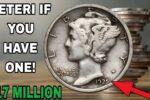
Collectors often view the 1940 dime as a bridge between the prosperity of the 1920s and the wartime economy of the 1940s. It embodies both beauty and resilience, qualities that resonate with numismatists today.
Rarity and Value Factors
The value of 1940 Lincoln pennies and Mercury dimes depends on several factors. Condition is paramount, with uncirculated and proof examples commanding the highest prices. Errors and varieties, such as doubled dies or off-center strikes, add significant value. Mint marks also matter, as coins from Denver and San Francisco can be scarcer in certain grades.
While common circulated examples may be worth only a few cents or dollars, rare varieties and pristine proofs can reach hundreds or even thousands. Collectors prize these coins not only for their monetary value but also for their historical significance.
How to Identify Valuable Examples
Identifying valuable 1940 coins requires careful examination. For Lincoln pennies, check the date and mint mark, and look for signs of doubling in the lettering or numbers. Proof coins will have sharper details and a more polished appearance. For Mercury dimes, examine the fasces on the reverse, as well-struck examples with full bands are especially valuable.

Using a magnifier can help reveal subtle details, and consulting reference guides or images of known varieties is essential. If you suspect you have a rare coin, professional grading and authentication provide assurance of its value.
Collecting Lincoln Pennies and Mercury Dimes
Collecting these coins offers both historical insight and artistic appreciation. The Lincoln penny connects collectors to the legacy of Abraham Lincoln and the economic story of America during the early 20th century. The Mercury dime, with its elegant design, remains one of the most admired coins in U.S. history.
Building a collection of these coins can be rewarding, whether focusing on specific years, mint marks, or varieties. Many collectors aim to complete sets, while others seek only the rarest and most valuable examples. Either approach offers a fascinating journey through American history.
The Joy of Discovery
One of the most exciting aspects of coin collecting is the possibility of discovery. A coin tucked away in a family collection or found in circulation could turn out to be a hidden treasure. The 1940 Lincoln penny and Mercury dime remind us that even ordinary coins can hold extraordinary stories.
Collectors often share tales of finding rare varieties in unexpected places, fueling the passion for numismatics. The thrill of uncovering a valuable coin is part of what makes collecting so engaging.
Conclusion
The 1940 Lincoln penny and Mercury dime are more than just coins. They are treasures that reveal the history, artistry, and resilience of America during a pivotal era. While most examples are common, rare varieties, proofs, and high-grade specimens can be worth significant sums.
For collectors, these coins offer both financial potential and a deep connection to history. Checking your collection or even your pocket change might uncover a piece of the past worth far more than its face value. Beyond value, these coins embody the spirit of a nation on the brink of transformation, making them timeless treasures in the world of numismatics.