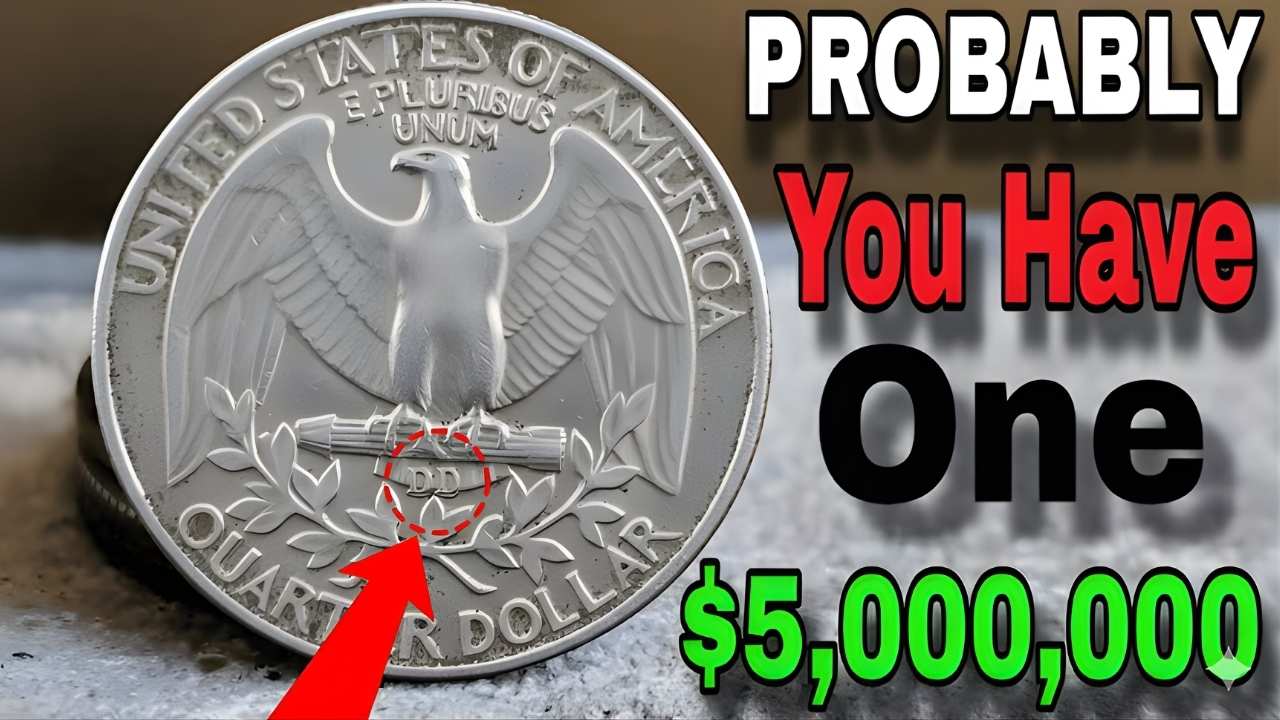
Bicentennial Quarters Value Guide: The Bicentennial quarter is one of the most recognizable coins in American history. Minted in 1975 and 1976 to celebrate the 200th anniversary of the United States, it features a unique design that sets it apart from regular Washington quarters. While most Bicentennial quarters are common and worth only face value, certain varieties, conditions, and special issues can be worth far more. This guide explores the history, design, and potential value of Bicentennial quarters, helping collectors and curious individuals understand what their coins might be worth today.
The Bicentennial Quarter Design
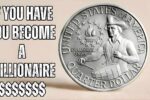
The Bicentennial quarter was part of a larger program that included special designs for the half dollar and dollar. The quarter’s reverse was designed by Jack L. Ahr and features a colonial drummer with a victory torch surrounded by thirteen stars, symbolizing the original colonies. The obverse retains George Washington’s portrait but bears dual dates of 1776 and 1976.
This design was a departure from tradition and remains one of the most beloved commemorative issues in U.S. coinage. Millions were produced, ensuring that nearly everyone had a chance to see and use these coins during the bicentennial celebration.
Circulation Strikes and Common Value
Most Bicentennial quarters were struck in copper-nickel and released into circulation. These coins are still found in pocket change today. In average condition, they are worth only twenty-five cents. However, uncirculated examples, especially those preserved in mint sets, can be worth slightly more. Collectors often pay a premium for coins with sharp details and original luster.
Silver Bicentennial Quarters
In addition to standard issues, the U.S. Mint produced Bicentennial quarters in 40 percent silver. These were sold in special collector sets and never intended for circulation. Silver Bicentennial quarters are heavier and have a different appearance compared to copper-nickel coins.
Today, silver examples are worth several dollars based on their silver content alone, and high-grade proofs can command even higher prices. Collectors prize these coins for their beauty and precious metal value, making them more desirable than common circulation strikes.
Proof and Mint Set Issues
Proof Bicentennial quarters were struck with specially prepared dies, resulting in mirror-like surfaces and sharp details. These coins were sold directly to collectors and remain highly sought after. Mint sets also included uncirculated examples that were never released into circulation.
Proof and mint set coins are generally worth more than circulation strikes, especially when preserved in their original packaging. High-grade proofs can sell for tens of dollars, while rare varieties may be worth significantly more.
Error Varieties and Rare Strikes
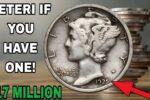
Errors are among the most exciting aspects of coin collecting. Bicentennial quarters with misstrikes, doubled dies, or off-center designs can be worth hundreds or even thousands of dollars. Some errors are subtle, requiring magnification to spot, while others are dramatic and easily visible.
Rare strikes, such as coins produced on the wrong planchet, are especially valuable. These coins are often unique or exist in extremely limited numbers, driving intense competition among collectors.
Condition and Grading
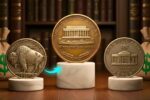
The condition of a coin is one of the most important factors in determining value. Coins are graded on a scale from poor to mint state, with higher grades commanding exponentially higher prices. A Bicentennial quarter in average circulated condition may be worth little more than face value, while a flawless proof could be worth hundreds.
Professional grading services provide authentication and assign grades, giving collectors confidence in the value of their coins. For anyone who suspects they have a rare Bicentennial quarter, grading is an essential step.

Collector Demand and Market Trends
The market for Bicentennial quarters remains strong, fueled by nostalgia and historical significance. Many collectors seek complete sets of Bicentennial coins, including quarters, half dollars, and dollars. Special proof sets and silver issues are particularly popular.
While most Bicentennial quarters are common, stories of rare varieties worth thousands keep interest alive. The combination of history, artistry, and potential value ensures that these coins remain a staple of American numismatics.
How to Identify Valuable Bicentennial Quarters
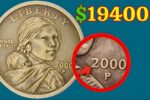
Identifying valuable Bicentennial quarters requires careful examination. Look for coins with unusual features, such as doubling in the design, off-center strikes, or unusual coloration. Check for silver issues, which are heavier and have a different appearance than standard copper-nickel coins.
Using a magnifier can help reveal subtle details, and consulting reference guides or images of known varieties is essential. If you suspect you have a rare coin, consider professional authentication to confirm its value.
The Joy of Coin Collecting
Coin collecting is more than just a pursuit of wealth. It is a journey through history, art, and discovery. The Bicentennial quarter embodies all of these elements, representing a national celebration and offering the possibility of hidden treasure.
For many collectors, the thrill lies in searching through everyday change or inherited collections to uncover rare finds. Even common Bicentennial quarters hold charm, reminding us of America’s bicentennial celebration and the artistry of coin design.
Conclusion
The Bicentennial quarter is a coin that continues to capture the imagination of collectors and the public alike. While most examples are worth only face value, certain varieties, silver issues, and error coins can be worth significant sums. Condition and authenticity are critical in determining value, and professional grading provides assurance for serious collectors.
The story of the Bicentennial quarter reminds us that treasures can sometimes be found in the most ordinary places. Checking your wallet or coin jar might reveal a piece of history worth far more than its face value. Beyond financial gain, these coins embody the artistry, history, and excitement that make numismatics such a rewarding pursuit.