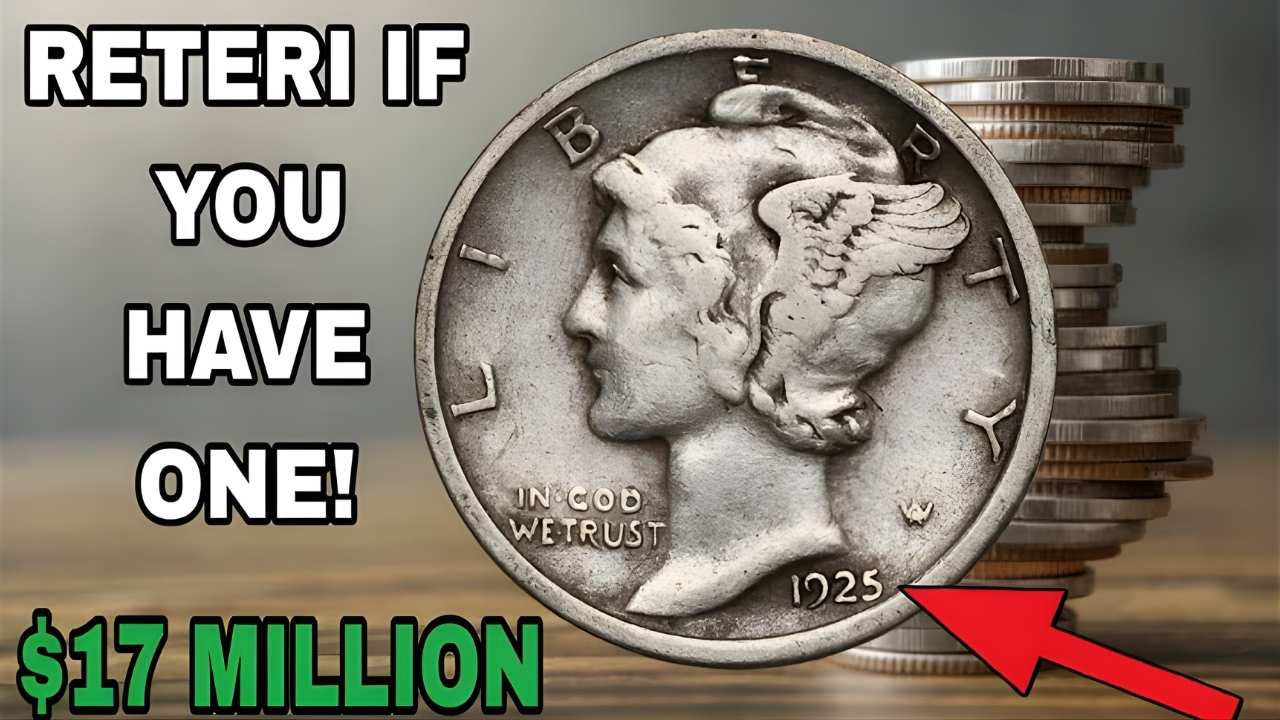
Top Rare Mercury Dimes Value Guide: Mercury dimes are among the most beloved coins in American numismatics. Struck between 1916 and 1945, these silver coins feature the iconic design of Liberty wearing a winged cap, often mistaken for the Roman god Mercury. While most Mercury dimes are worth only a few dollars based on their silver content, certain rare dates and varieties can be worth hundreds, thousands, or even tens of thousands of dollars. Collectors treasure these coins not only for their beauty but also for the thrill of discovering hidden value. This guide explores the most valuable Mercury dimes and explains why they are so sought after.
1916-D Mercury Dime
The 1916-D Mercury dime is the undisputed king of the series. With a mintage of only 264,000, it is the lowest production year of all Mercury dimes. Most examples entered circulation and became worn, making high-grade specimens extremely rare.

Collectors prize this coin for its scarcity and historical significance as the first year of issue. Even in heavily circulated condition, a 1916-D dime can fetch hundreds of dollars. In uncirculated grades, values soar into the tens of thousands. For many collectors, owning a 1916-D is a lifelong goal.
1921 Mercury Dime
The 1921 Mercury dime is another rarity, with a mintage of just over one million. While higher than the 1916-D, this number is still very low compared to other years in the series. The 1921 dime is difficult to find in any condition, and uncirculated examples are especially scarce.
Collectors often seek both the Philadelphia and Denver issues from 1921, as both are considered key dates. Prices range from several hundred dollars for circulated coins to thousands for mint-state examples. The 1921 dime remains a cornerstone of any serious Mercury dime collection.
1942/41 Overdate Mercury Dime
One of the most famous error coins in U.S. history is the 1942/41 overdate Mercury dime. During production, a 1941 die was accidentally overpunched with a 1942 date, creating a dramatic doubling effect. The result is a coin where both years are visible, making it instantly recognizable.
This error occurred at both the Philadelphia and Denver Mints, though the Philadelphia variety is more common. Collectors prize the overdate for its rarity and striking appearance. Even worn examples can sell for thousands, while high-grade coins command prices well into five figures.
1931-D Mercury Dime
The 1931-D Mercury dime is another low-mintage issue, with fewer than 1.2 million struck. While not as rare as the 1916-D or 1921, it remains a key date in the series. Many examples circulated heavily during the Great Depression, leaving few in pristine condition.
Collectors value the 1931-D for its scarcity and historical context. Prices vary widely depending on condition, but uncirculated examples are highly prized and can reach several thousand dollars. This coin is often considered one of the most important pieces for completing a Mercury dime set.
1926-S Mercury Dime
The 1926-S Mercury dime is notable for its rarity in high grades. While the mintage was relatively modest at around 1.5 million, most coins were poorly struck and heavily circulated. As a result, finding a well-preserved example is extremely difficult.
Collectors often pay significant premiums for sharp strikes and uncirculated specimens. While circulated coins may sell for modest amounts, mint-state examples can command thousands. The 1926-S is a reminder that rarity is not always about mintage numbers but also about quality and survival rates.
Why Mercury Dimes Are Valuable
Several factors contribute to the value of rare Mercury dimes. Scarcity is the most obvious, as coins with low mintages or unusual errors are naturally harder to find. Condition plays a critical role, with well-preserved examples worth exponentially more than worn ones. Historical significance also adds to their appeal, as coins tied to specific eras or events often attract greater interest. Finally, collector demand ensures that these coins remain valuable, as enthusiasts compete to own them.

How to Identify Rare Mercury Dimes
Spotting valuable Mercury dimes requires careful attention to detail. Always check the date and mint mark, as small differences can mean huge value. For example, the 1916-D dime has its mint mark located on the reverse, near the bottom left of the fasces. The 1942/41 overdate can be identified by the overlapping numbers in the date.
Using a magnifier can help reveal subtle features, and consulting reference guides or images of known varieties is essential. If you suspect you have a rare Mercury dime, consider having it authenticated and graded by a professional service. This not only confirms its authenticity but also provides an accurate assessment of its condition and value.
The Joy of Collecting Mercury Dimes
Collecting Mercury dimes is more than just a pursuit of wealth. These coins embody artistry, history, and the excitement of discovery. The design by Adolph A. Weinman is considered one of the most beautiful in American coinage, and the series offers a fascinating glimpse into the early 20th century.
For many collectors, the thrill lies in searching through rolls of coins, estate collections, or old family savings to uncover hidden treasures. Even common Mercury dimes hold charm, and the possibility of finding a rare variety adds to the excitement. Whether you are a seasoned numismatist or a beginner, Mercury dimes offer endless opportunities for learning and enjoyment.

Conclusion
Rare Mercury dimes such as the 1916-D, 1921, 1942/41 overdate, 1931-D, and 1926-S represent the pinnacle of the series. Each coin combines rarity, history, and collector demand to achieve extraordinary value. While most Mercury dimes are worth only their silver content, these special issues can be worth thousands or more.
The hunt for rare coins continues to inspire collectors around the world. Checking your change or exploring old collections could uncover a hidden fortune. Beyond financial gain, Mercury dimes remind us of the artistry and history embedded in everyday objects. They are treasures of American coinage, waiting to be discovered and cherished.